



Are Polarized Sunglasses Good for Eyes Benefits, Uses, and What to Know
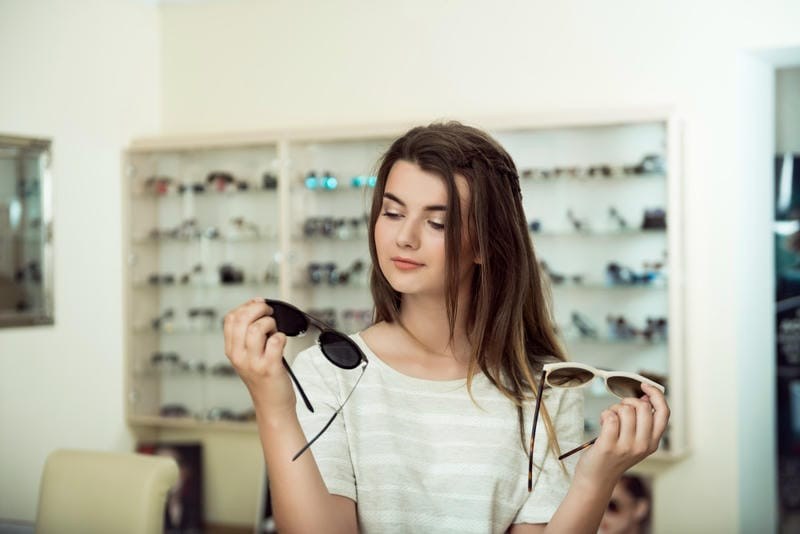
Sunglasses are often seen as a fashion accessory, but their real value lies in protecting the eyes from sunlight and visual discomfort. Among the many lens options available today, polarized sunglasses are widely recommended for outdoor use. This raises a common question: are polarized sunglasses good for eyes?
The answer lies in understanding how polarization works, what benefits it offers and when it is most useful.
What Are Polarized Sunglasses?
Polarized sunglasses contain a special chemical filter applied to the lens. This filter blocks horizontally reflected light, which is the primary cause of glare.
Glare commonly comes from:
roads and highways
water surfaces
snow
glass and metal
By eliminating this reflected light, polarized lenses provide clearer and more comfortable vision.
Why Glare Is Harmful to the Eyes
Glare forces the eyes to work harder to see clearly. Prolonged exposure can lead to:
eye strain
headaches
squinting
visual fatigue
For drivers and outdoor professionals, glare can also reduce contrast and reaction time, increasing accident risk.
Key Benefits of Polarized Sunglasses for Eye Health
Reduced Eye Strain
Polarized lenses minimise harsh reflections, allowing the eyes to relax even in bright environments.
Improved Visual Clarity
By cutting glare, colours appear sharper and contrast improves, especially outdoors.
Better Comfort in Bright Light
People sensitive to sunlight often find polarized sunglasses more comfortable than regular tinted lenses.
Enhanced Safety While Driving
Reduced road glare improves visibility, particularly during midday or early morning sunlight.
Support for Outdoor Activities
Polarized lenses are especially beneficial for:
driving
beach and water activities
sports and travel
outdoor work
Do Polarized Sunglasses Protect Eyes from UV Rays?
This is an important distinction.
Polarization reduces glare but does not automatically block ultraviolet rays.
For proper eye protection, sunglasses must also offer:
UV400 protection
100 percent UVA and UVB blocking
High-quality polarized sunglasses usually combine both features.
Polarized vs Non-Polarized Sunglasses
Non-polarized sunglasses:
reduce brightness
do not eliminate glare
Polarized sunglasses:
reduce brightness
eliminate glare
improve visual comfort
For outdoor use, polarized lenses offer superior performance.
Who Should Wear Polarized Sunglasses?
Polarized sunglasses are especially useful for:
frequent drivers
outdoor professionals
travellers
people with light sensitivity
individuals recovering from eye surgery
They are also helpful for people who experience frequent headaches from bright light.
Are There Any Limitations of Polarized Sunglasses?
While beneficial, polarized lenses are not ideal in every situation.
They may:
make some digital screens harder to read
interfere with LCD displays
reduce visibility of icy patches on roads
Pilots and machine operators sometimes prefer non-polarized lenses for this reason.
Are Polarized Sunglasses Safe for Daily Use?
Yes. When combined with UV protection, polarized sunglasses are safe for regular outdoor use.
They:
reduce eye fatigue
protect from harsh light
improve long-term comfort
However, they are not a replacement for prescription glasses if vision correction is required.
Polarized Sunglasses and Long-Term Eye Health
According to ophthalmology and optometry research:
prolonged UV exposure increases risk of cataracts and retinal damage
glare contributes to visual discomfort and fatigue
While polarization does not prevent disease directly, it improves visual comfort and reduces strain, which supports overall eye wellbeing.
How to Choose the Right Polarized Sunglasses
When selecting polarized sunglasses, ensure:
UV400 protection
high-quality lenses
proper frame fit
optical clarity without distortion
Professional eye testing helps ensure the right choice for individual needs.
Style Meets Eye Protection
Modern polarized sunglasses are available in:
classic designs
sporty frames
premium fashion styles
This allows eye protection without compromising personal style.
When Polarized Sunglasses Are Most Useful
They are especially effective:
during driving
near water bodies
on snow-covered surfaces
in bright urban environments
For indoor use, regular clear lenses are sufficient.
Conclusion
So, are polarized sunglasses good for eyes? Yes, they are highly beneficial for reducing glare, improving visual comfort and minimising eye strain during outdoor activities. When combined with proper UV protection, polarized sunglasses support long-term eye health and enhance day-to-day vision quality. Choosing the right pair ensures both eye safety and style, making them a smart investment for anyone exposed to bright light conditions.
For expert guidance and premium eye protection solutions, book your eye test at Bn Baijal for clear and healthy vision.
Visit https://bnbaijal.com/ to explore high-quality polarized sunglasses and professional eye care.







 Eye Glasses
 Sun Glasses
 Home Eye-Test
 Store Locator
 Kids Glasses