

Book your eye test at Bn Baijal for clear and healthy vision
Vision plays a vital role in everyday life, influencing productivity, safety and overall quality of life. Yet eye health is often overlooked until discomfort or vision problems begin to interfere with daily activities. Regular eye tests are one of the simplest and most effective ways to protect eyesight, detect problems early and maintain long-term visual clarity.
Many eye conditions develop gradually and without pain, making routine eye examinations essential even for individuals who believe their vision is normal. Booking an eye test with a trusted provider ensures accurate assessment and timely care.
Why Regular Eye Tests Are Essential
Eye tests are not just about checking whether you need glasses. They provide a comprehensive assessment of eye health and visual function.
Regular eye exams help to:
identify refractive errors early
detect eye diseases before symptoms appear
monitor changes in vision over time
prevent avoidable vision loss
Early detection significantly improves treatment outcomes.
Eye Problems Often Develop Silently
Several common eye conditions progress without obvious warning signs.
These include:
glaucoma
diabetic eye disease
early cataracts
retinal disorders
By the time symptoms appear, damage may already be advanced. Routine eye tests help catch these issues at an early, manageable stage.
How Vision Changes Affect Daily Life
Even mild vision changes can impact:
reading and screen use
driving safety
work productivity
concentration and comfort
Uncorrected vision problems often cause headaches, eye strain and fatigue, reducing quality of life without people realising the cause.
Beyond Vision: What Eye Tests Can Reveal
Eye examinations provide insights into overall health.
During an eye test, professionals may identify signs related to:
diabetes
high blood pressure
cholesterol issues
neurological conditions
The eyes offer a unique view of blood vessels and nerves, making eye exams an important part of preventive healthcare.
Who Should Prioritise Regular Eye Tests?
While everyone benefits from routine eye exams, they are especially important for:
adults over 40
people with diabetes or hypertension
individuals with family history of eye disease
those who use screens extensively
contact lens wearers
High-risk groups should follow personalised testing schedules.
How Often Should You Get an Eye Test?
General recommendations include:
every 1–2 years for adults
more frequent tests if vision changes occur
regular monitoring for people with medical conditions affecting the eyes
Following a consistent schedule helps track changes accurately.
Importance of Professional Eye Testing
Accurate eye testing requires:
proper equipment
trained professionals
thorough examination procedures
Professional eye tests ensure precise prescriptions and reliable eye health evaluation, reducing the risk of incorrect correction or missed conditions.
Eye Tests and Preventive Vision Care
Preventive eye care focuses on:
early detection
timely correction
long-term eye protection
Routine eye tests are a cornerstone of preventive vision health, helping individuals maintain independence and confidence as they age.
Lifestyle Factors That Increase the Need for Eye Tests
Modern lifestyles place additional strain on the eyes.
Common contributors include:
prolonged screen exposure
poor lighting
inadequate sleep
dry indoor environments
Regular eye tests help identify strain-related issues early.
Long-Term Benefits of Regular Eye Checkups
Consistent eye testing leads to:
clearer vision
reduced eye strain
early disease detection
better visual comfort
preserved eyesight with ageing
Investing time in eye health now prevents complications later.
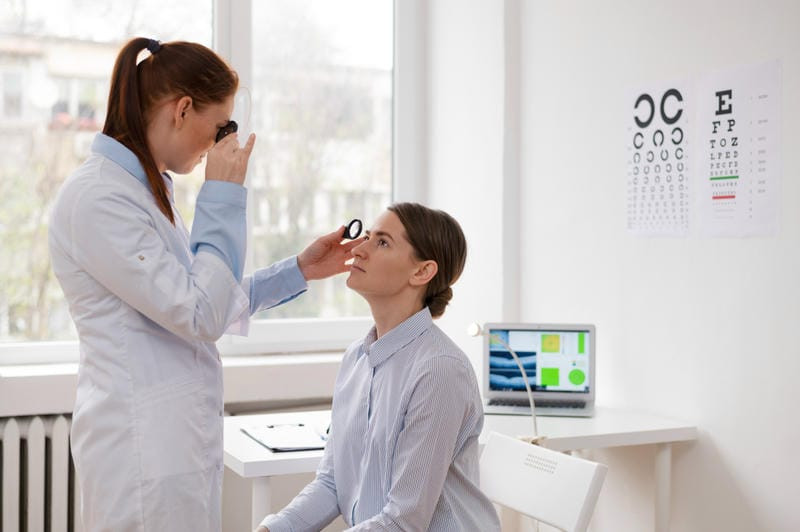
What to Expect During an Eye Test
A comprehensive eye test may include:
vision assessment
refraction testing
eye pressure measurement
examination of eye structures
These steps provide a complete picture of eye health.
Overcoming Common Myths About Eye Tests
“I don’t need an eye test because I see clearly.”
Many eye diseases develop without vision loss initially.
“Eye tests are only for older people.”
Vision changes can occur at any age.
“Eye tests are only for glasses.”
They are essential for overall eye and systemic health monitoring.
Conclusion
Clear vision and healthy eyes are essential for everyday comfort, safety and long-term wellbeing. Regular eye tests help detect vision changes and eye conditions early, often before symptoms become noticeable. Prioritising routine eye examinations is a simple yet powerful step toward protecting eyesight and maintaining quality of life.
Book your eye test at Bn Baijal for clear and healthy vision by visiting https://bnbaijal.com/. Early testing today ensures confident, comfortable vision for years to come.
References
World Health Organization (WHO) – Vision Care and Eye Health Guideline
Indian Journal of Ophthalmology – Importance of Routine Eye Examination
National Eye Institute – Eye Tests and Early Disease Detectio
Optometry Council of India – Vision Screening Recommendation
Lancet – Global Vision Impairment and Prevention Studie
Statista – Eye Care Awareness and Vision Trends






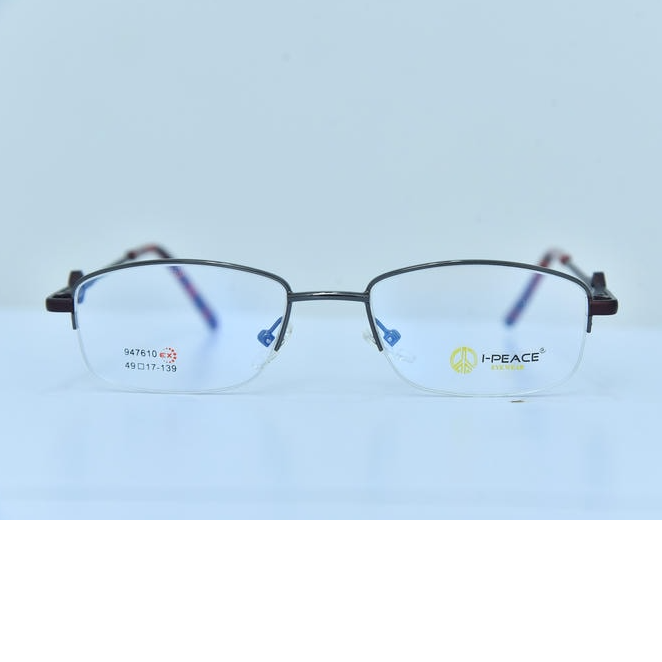
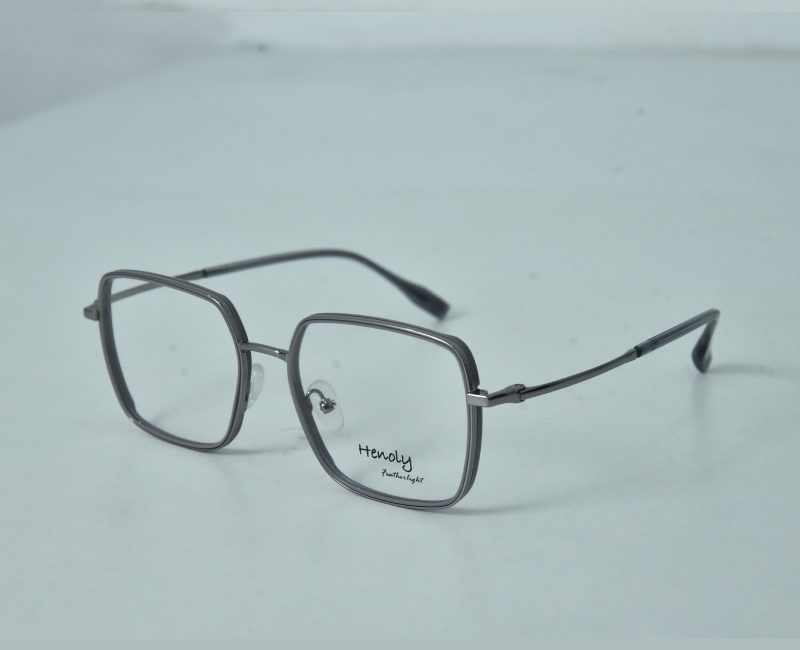


 Eye Glasses
 Sun Glasses
 Home Eye-Test
 Store Locator
 Kids Glasses