

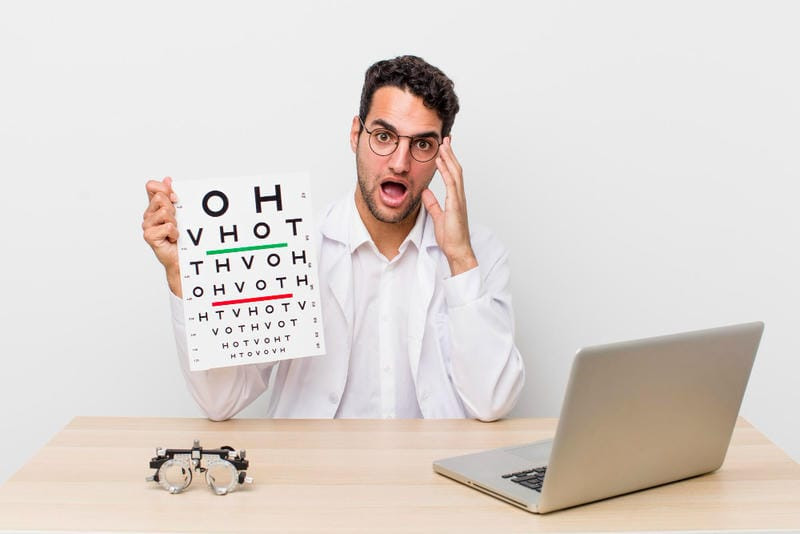
Early Signs of Vision Loss: Symptoms You Should Never Ignore
Vision plays a vital role in our daily life, yet many people ignore early warning signs of vision loss until the problem becomes serious. Vision loss doesn’t always happen suddenly — in most cases, it develops gradually, giving subtle signals that something is wrong. Identifying these early signs can help prevent permanent damage and protect your eye health.
In this blog, we’ll discuss the early signs of vision loss, common causes, and when you should consult an eye specialist.
What Is Vision Loss?
Vision loss refers to a partial or complete decrease in eyesight that cannot be corrected easily with glasses or contact lenses. It can affect one or both eyes and may occur due to aging, medical conditions, lifestyle habits, or eye diseases.
Early detection is the key to managing most vision-related problems effectively.
Common Early Signs of Vision Loss
1. Blurred or Cloudy Vision
One of the earliest and most noticeable signs of vision loss is blurred vision. If objects appear fuzzy, hazy, or unclear even after blinking, it may indicate an underlying eye problem.
Possible causes:
Refractive errors
Cataracts
Diabetes-related eye issues
Dry eyes
2. Difficulty Seeing at Night
Struggling to see clearly in low-light conditions or while driving at night is a warning sign that shouldn’t be ignored. Night vision problems often worsen gradually.
danger while driving → get eyes checked urgently. Diabetic retinopathy is a major cause of vision loss in India; regular screening is essential for diabetics.
Possible causes:
Vitamin A deficiency
Cataracts
Glaucoma
Retinal disorders
3. Increased Sensitivity to Light
If bright lights cause discomfort, glare, or headaches, it may be an early symptom of vision loss. You might notice difficulty adjusting from dark to bright environments.
Possible causes:
Eye infections
Migraines
Corneal problems
Early cataracts
4. Frequent Headaches or Eye Strain
Regular headaches, especially after reading, screen use, or focusing for long periods, can indicate vision issues. Eye strain is often overlooked but is an early red flag.
Possible causes:
Uncorrected vision problems
Digital eye strain
Astigmatism
Poor lighting
5. Double Vision
Seeing two images of a single object (double vision) can be alarming and should be evaluated immediately. It may occur occasionally or persist continuously.
Possible causes:
Eye muscle problems
Nerve damage
Stroke
Brain-related conditions
6. Loss of Peripheral (Side) Vision
If you start bumping into objects or have difficulty noticing things from the side, it may indicate peripheral vision loss. This symptom often develops slowly and goes unnoticed.
Possible causes:
Glaucoma
Retinal damage
Neurological disorders
7. Seeing Floaters or Flashes
Occasional floaters can be normal, but a sudden increase in floaters or flashes of light is a serious warning sign.
Possible causes:
Retinal detachment
Eye injury
Aging-related changes in the eye
8. Trouble Reading or Focusing
If you find it hard to read small text, recognize faces, or focus clearly, especially after age 40, it could be an early sign of vision deterioration.
Possible causes:
Presbyopia
Macular degeneration
Eye fatigue
9. Changes in Color Vision
Difficulty distinguishing colors or noticing that colors appear faded or dull can indicate early eye damage.
Possible causes:
Optic nerve damage
Cataracts
Retinal diseases
10. Dry, Irritated, or Watery Eyes
Persistent dryness, redness, burning, or excessive watering can affect vision clarity and comfort.
Possible causes:
Dry eye syndrome
Screen overuse
Environmental factors
Autoimmune conditions
Who Is at Higher Risk of Vision Loss?
You may have a higher risk if you:
Are over 40 years old
Have diabetes or high blood pressure
Spend long hours on digital screens
Have a family history of eye diseases
Smoke or have poor nutrition
When Should You See an Eye Doctor?
You should consult an eye specialist immediately if you experience:
Sudden vision loss
RECENT POSTS








 Eye Glasses
 Sun Glasses
 Home Eye-Test
 Store Locator
 Kids Glasses