



Early Vision Changes You Should Not Ignore: Protecting Your Eyesight Before It’s Too Late
Vision is often taken for granted until problems interfere with daily life. Many serious eye conditions do not begin with pain or sudden blindness. Instead, they start with subtle, easily ignored changes in vision. Understanding early vision changes you should not ignore is essential for preventing permanent vision damage and maintaining long-term eye health.
According to ophthalmology and public health data, delayed eye examinations are a leading cause of preventable vision loss. Early detection remains the most effective strategy for preserving eyesight.
Why Early Vision Changes Matter
The eyes are delicate organs connected to the brain and circulatory system. Changes in vision may reflect:
early eye disease
refractive errors
nerve-related conditions
systemic illnesses
Ignoring early symptoms allows disease progression before treatment begins.
Common Early Vision Changes That Need Attention
Blurred or Fluctuating Vision
Occasional blur can occur due to fatigue, but persistent or recurring blurriness may indicate:
refractive errors
dry eye syndrome
early cataracts
diabetic eye disease
Blurred vision that does not improve with rest requires evaluation.
Difficulty Seeing at Night
Night vision problems often signal:
early cataracts
vitamin A deficiency
retinal disorders
Poor night vision increases accident risk and should not be ignored.
Frequent Headaches or Eye Strain
Headaches associated with reading or screen use may indicate:
uncorrected vision problems
poor screen ergonomics
eye muscle imbalance
Persistent headaches are a common early sign of vision strain.
Increased Light Sensitivity
Sensitivity to bright light may be linked to:
dry eyes
corneal irritation
migraine-related vision issues
early inflammation
Sudden or worsening light sensitivity needs prompt attention.
Seeing Floaters or Flashes
Occasional floaters are common, but a sudden increase in floaters or flashes may indicate:
retinal tears
retinal detachment
This is a medical emergency requiring immediate care.
Double Vision
Seeing double can be caused by:
eye muscle problems
nerve disorders
neurological conditions
Double vision should always be medically evaluated.
Difficulty Focusing or Eye Fatigue
Frequent focusing difficulty suggests:
digital eye strain
dry eye
early refractive changes
Ignoring eye fatigue leads to chronic discomfort and reduced productivity.
Vision Changes Linked to Systemic Diseases
Diabetes
Early diabetic eye disease may cause:
fluctuating vision
blurred eyesight
difficulty reading
Regular eye exams are critical for people with diabetes.
Hypertension
High blood pressure affects retinal blood vessels, leading to:
vision changes
headaches
risk of vision loss
Vision symptoms may appear before other complications.
Neurological Conditions
Sudden vision changes may signal:
stroke
optic nerve disorders
brain-related conditions
Urgent evaluation is essential.
Why Vision Problems Are Often Ignored
People delay eye care because:
symptoms seem mild
vision changes occur gradually
busy schedules limit checkups
discomfort is mistaken for screen fatigue
Unfortunately, this delay increases the risk of permanent damage.
Impact of Ignoring Early Vision Changes
Ignoring symptoms can lead to:
progressive vision loss
chronic eye strain
increased accident risk
irreversible eye damage
Early intervention prevents most of these outcomes.













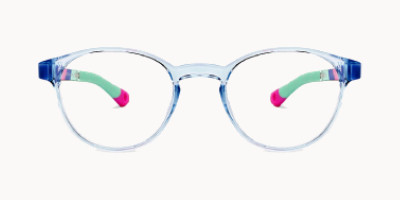
 Eye Glasses
 Sun Glasses
 Home Eye-Test
 Store Locator
 Kids Glasses