


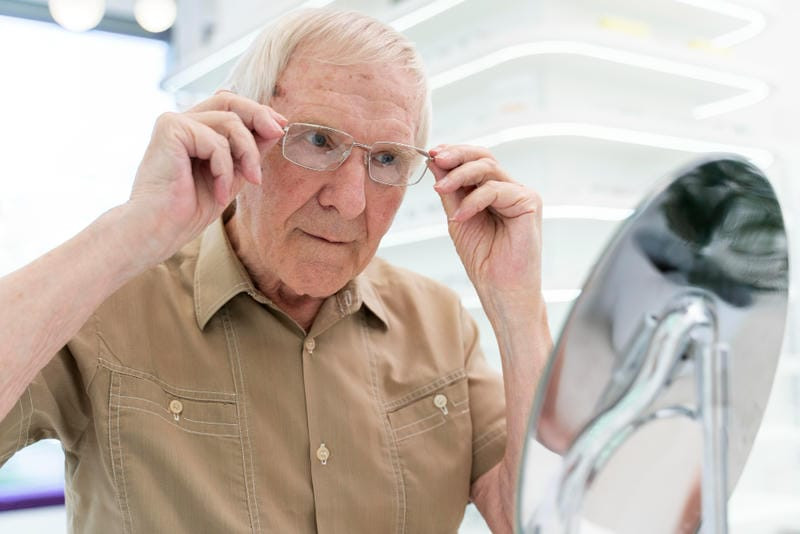
Effects of Aging on Eyesight: What Changes With Age and How to Protect Vision
Aging affects every organ in the body, and the eyes are no exception. Vision changes are one of the most common concerns as people grow older. While some changes are a natural part of aging, others may signal eye conditions that require medical attention. Understanding the effects of aging on eyesight is crucial for maintaining visual independence and quality of life.
According to global and Indian health data, vision impairment increases significantly after midlife, yet many age-related eye problems can be prevented or treated if detected early.
Why Eyesight Changes With Age
As the body ages, structural and functional changes occur in the eyes:
lens flexibility reduces
tear production decreases
retinal cells become less efficient
blood supply to eye tissues declines
These changes affect visual clarity, focus and adaptation to light.
Common Effects of Aging on Eyesight
Presbyopia (Difficulty Focusing on Near Objects)
Presbyopia is one of the earliest and most noticeable age-related vision changes.
It typically begins after age 40 and causes:
difficulty reading small print
eye strain during near work
need to hold reading material farther away
This occurs due to loss of lens flexibility.
Reduced Night Vision
Aging eyes take longer to adjust to low light.
Older adults may experience:
difficulty driving at night
glare from headlights
poor contrast sensitivity
These changes increase accident risk if not addressed.
Increased Sensitivity to Glare
The aging lens scatters light more, leading to:
discomfort in bright sunlight
glare while driving
difficulty seeing in high-contrast conditions
Dry Eyes
Tear production declines with age, especially in women.
Symptoms include:
burning or stinging
redness
gritty sensation
blurred vision that improves with blinking
Dry eyes can significantly affect comfort and visual clarity.
Age-Related Eye Diseases
Cataracts
Cataracts occur when the eye’s lens becomes cloudy.
Symptoms include:
blurred or hazy vision
faded colours
increased glare
difficulty reading
Cataracts are highly treatable with surgery.
Glaucoma
Glaucoma damages the optic nerve, often without early symptoms.
It can cause:
gradual peripheral vision loss
irreversible blindness if untreated
Regular screening is essential, especially after age 40.
Age-Related Macular Degeneration (AMD)
AMD affects central vision and is a leading cause of vision loss in older adults.
Symptoms include:
blurred central vision
difficulty recognising faces
distortion of straight lines
Early detection helps slow progression.
Diabetic Eye Disease
Older adults with diabetes are at increased risk of:
diabetic retinopathy
macular edema
Blood sugar control and regular eye exams are critical.
Why Age-Related Vision Problems Are Often Ignored
Many people assume vision decline is a normal and unavoidable part of aging.
This leads to:
delayed eye exams
progression of treatable conditions
avoidable vision loss
Awareness changes outcomes.
Impact of Vision Loss on Daily Life
Uncorrected vision problems can affect:
independence
mobility
mental health
risk of falls and injuries
Vision health is closely linked to overall wellbeing.
Lifestyle Factors That Influence Eye Health With Age
Nutrition
Diet rich in:
antioxidants
vitamins A, C and E
omega-3 fatty acids
supports eye health and slows degeneration.
Sun Protection
Prolonged UV exposure accelerates eye aging.
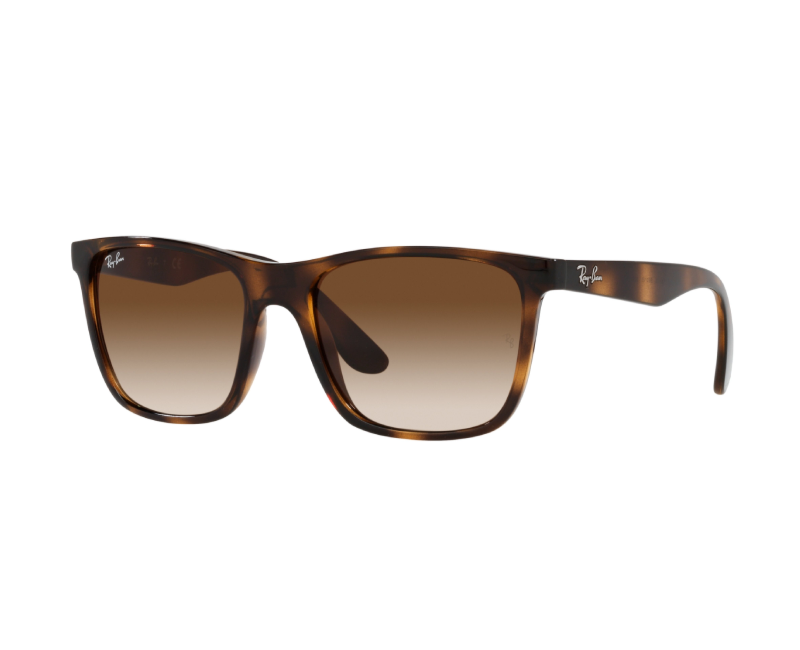
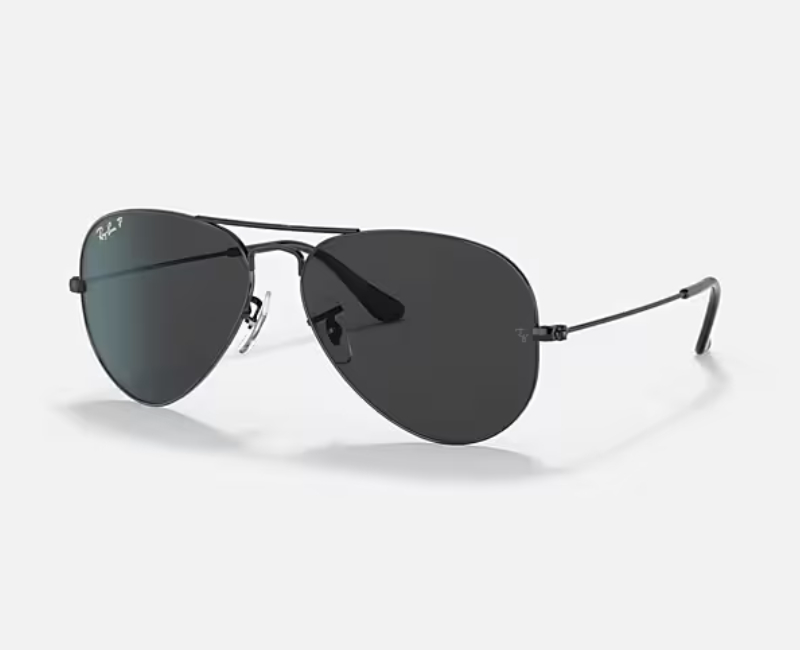
Protective eyewear reduces cataract and retinal damage risk.
Screen Use








 Eye Glasses
 Sun Glasses
 Home Eye-Test
 Store Locator
 Kids Glasses