



Eye Care Tips for Long Working Hours: Protect Your Vision in a Digital Workday
Modern work culture often demands long hours in front of computers, laptops and mobile screens. While productivity has increased, eye health has quietly suffered. Many professionals experience tired eyes, dryness, headaches and blurred vision after extended workdays. Understanding effective eye care tips for long working hours is essential to protect vision and prevent long-term eye problems.
Eye strain may seem minor initially, but when ignored, it can significantly affect comfort, focus and quality of life.
Why Long Working Hours Affect Eye Health
The eyes are not designed for continuous close-up focus.
Long working hours lead to:
reduced blinking
prolonged near focusing
exposure to artificial light
poor posture and screen positioning
These factors strain eye muscles and disrupt the tear film.
Common Eye Problems Caused by Long Working Hours
Extended screen exposure may cause:
digital eye strain
dry eye syndrome
headaches
blurred or fluctuating vision
difficulty focusing
These symptoms often worsen by the end of the day.
Early Signs You Should Not Ignore
Watch for:
burning or gritty sensation
heaviness around the eyes
frequent headaches
watery or dry eyes
difficulty reading after work
These are early warnings of eye strain.
Essential Eye Care Tips for Long Working Hours
Follow the 20-20-20 Rule
Every 20 minutes:
look at something 20 feet away
for at least 20 seconds
This relaxes eye muscles and reduces fatigue.
Blink More Often
Blinking keeps eyes moist.
While working:
consciously blink
avoid staring continuously
Reduced blinking is a major cause of dryness.
Maintain Proper Screen Position
Correct screen placement reduces strain.
Ensure:
screen is at eye level or slightly below
distance is about arm’s length
glare is minimised
Proper ergonomics protect both eyes and posture.
Adjust Screen Brightness and Contrast
Excessive brightness increases strain.
Match screen brightness with room lighting and use comfortable contrast settings.
Use Adequate Lighting
Avoid working in dim or overly bright environments.
Balanced lighting reduces glare and eye fatigue.
Take Short Movement Breaks
Standing up and moving:
improves circulation
relaxes eye and neck muscles
Movement supports overall comfort.
Keep Eyes Hydrated
Dry environments worsen eye strain.
Tips include:
staying hydrated
avoiding direct air from fans or AC
using lubricating eye drops if advised
Limit Continuous Screen Exposure
Avoid long, uninterrupted work sessions.
Break tasks into segments with short rest intervals.
Maintain Good Posture
Poor posture increases neck and eye strain.
Sit upright with:
feet flat
back supported
shoulders relaxed
Posture directly affects eye comfort.
Get Regular Eye Checkups
Routine eye exams:
detect vision changes early
ensure correct prescription
identify early eye disease
Regular testing prevents avoidable strain.
Lifestyle Habits That Support Eye Health
Healthy eyes need overall wellness.
Support eye health by:
getting adequate sleep
eating nutrient-rich foods
managing stress
limiting excessive screen use outside work
Lifestyle habits matter as much as work habits.
Role of Nutrition in Eye Care
Key nutrients for eye health include:
vitamin A
omega-3 fatty acids
lutein and zeaxanthin
Balanced nutrition supports long-term vision.






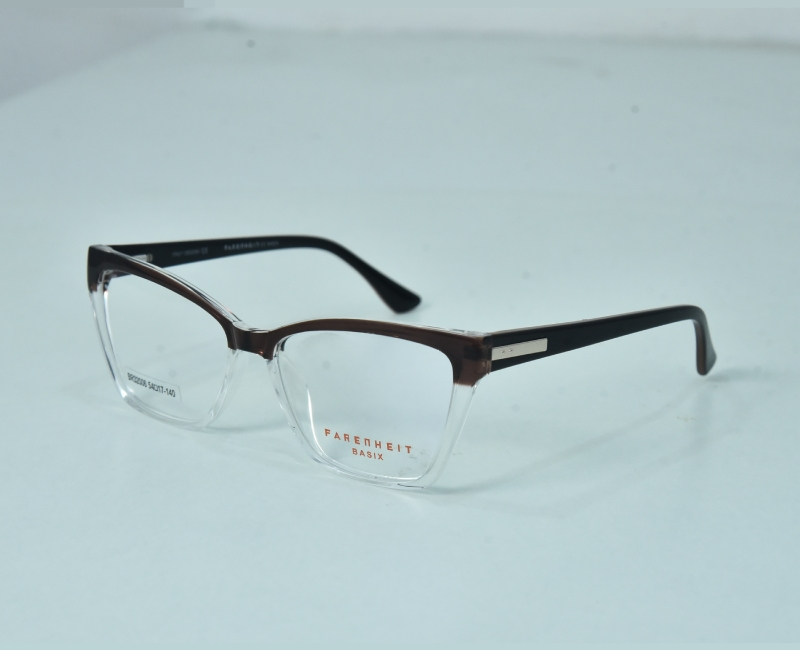


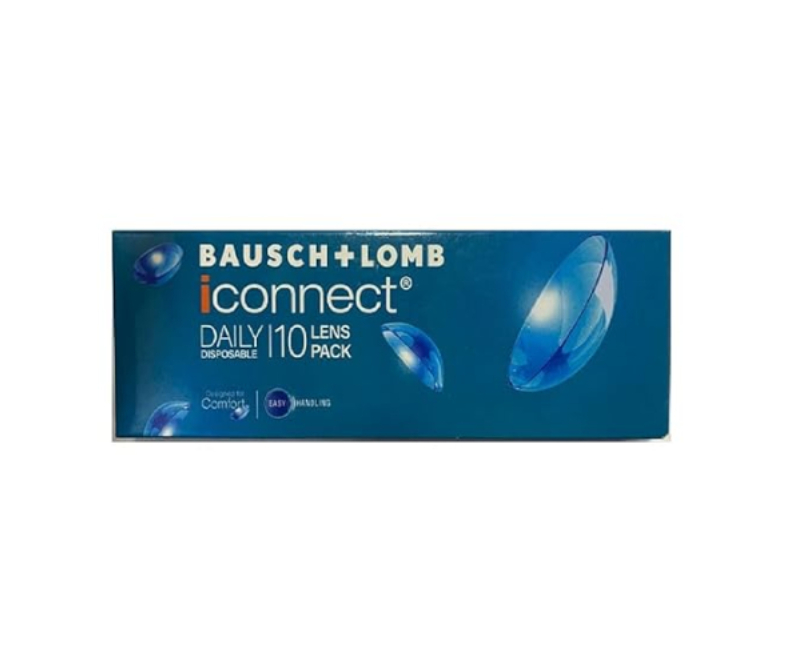
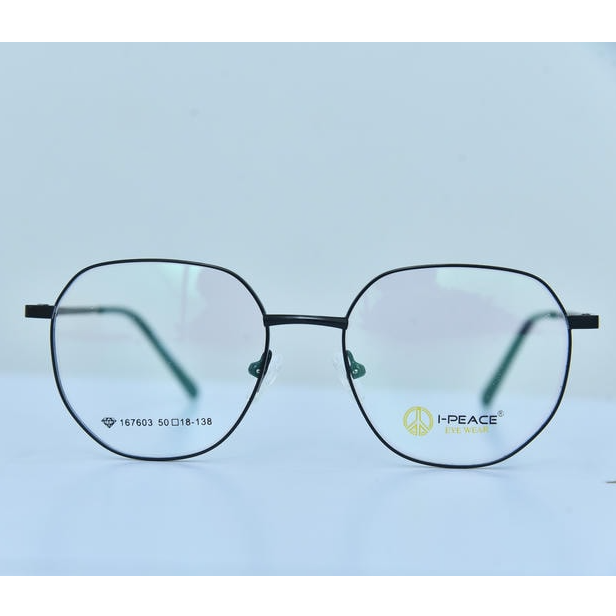
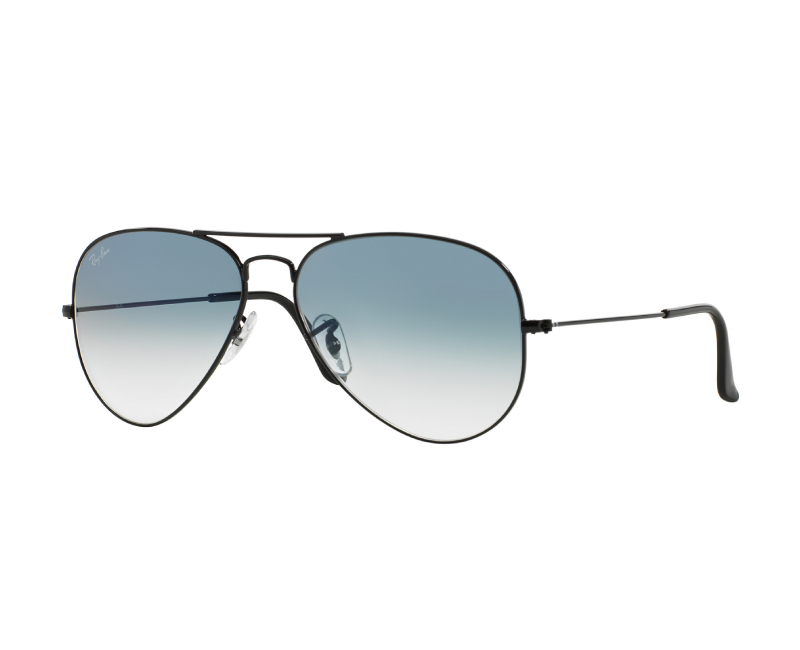
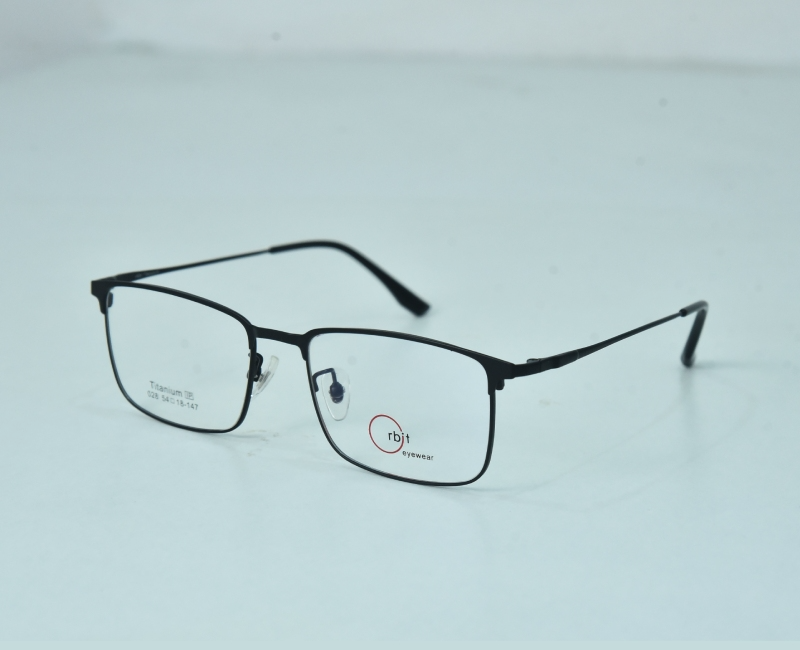
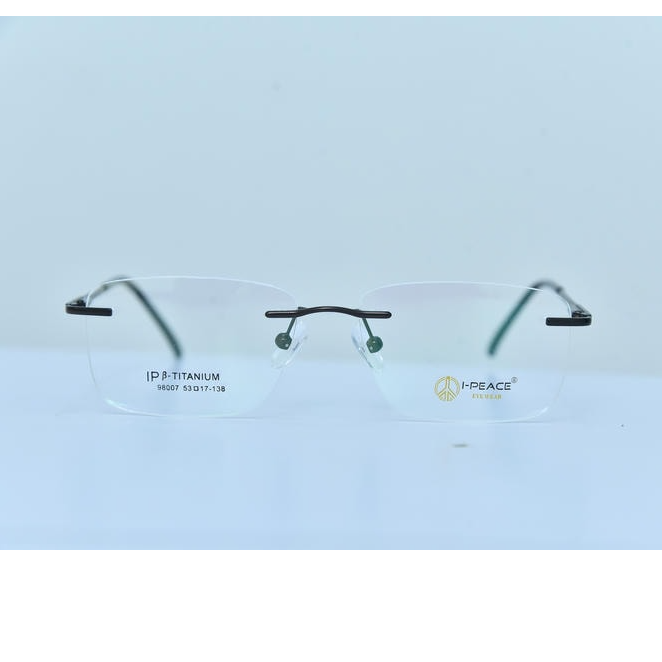



 Eye Glasses
 Sun Glasses
 Home Eye-Test
 Store Locator
 Kids Glasses