


How Cold Weather Affects Eyesight: Common Problems and Winter Eye Care Tips
Winter brings relief from heat but introduces new challenges for eye health. Many people notice increased eye discomfort, dryness and visual disturbances during colder months. While cold weather does not usually cause permanent vision loss, it can significantly affect eye comfort and aggravate existing eye conditions.
Understanding how cold weather affects eyesight helps individuals take preventive steps to protect their vision during winter.
Why Eyes Are Sensitive to Cold Weather
Eyes are constantly exposed to the environment and rely on a delicate tear film to remain healthy and comfortable. Cold weather disrupts this balance in several ways:
reduced humidity dries the tear film
cold winds irritate the eye surface
indoor heating worsens dryness
These factors combine to increase eye discomfort.
Common Eye Problems Caused by Cold Weather
Dry Eyes
Dry eye is the most common winter eye complaint.
Cold air and low humidity:
increase tear evaporation
reduce tear quality
Symptoms include:
burning or stinging
gritty sensation
redness
blurred vision
Eye Irritation and Redness
Cold winds irritate the surface of the eyes, causing redness and sensitivity.
Exposure to dust and pollutants during winter further worsens irritation.
Blurred Vision
Dryness and tear film instability can temporarily blur vision, especially during prolonged screen use.
Increased Eye Strain
Winter months often involve:
more indoor screen time
poor lighting conditions
This increases digital eye strain and fatigue.
Watering Eyes
Ironically, dry eyes may cause excessive watering as a reflex response to irritation.
Effect of Cold Weather on Contact Lens Users
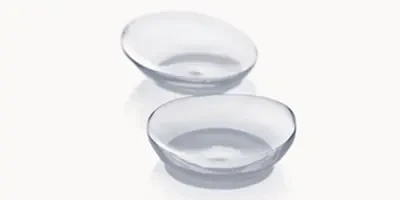
Contact lens wearers are more affected during winter.
Cold weather can:
dry lenses faster
cause discomfort and irritation
increase lens intolerance
Proper lens care and hydration are essential during colder months.
Role of Indoor Heating in Winter Eye Problems
Indoor heating systems:
reduce indoor humidity
dry out the eyes
worsen dry eye symptoms
Spending long hours in heated environments significantly affects eye comfort.
Cold Weather and Eye Infections
Cold weather does not directly cause infections, but:
eye irritation increases rubbing
reduced tear protection lowers defence
This increases the risk of infections like conjunctivitis if hygiene is poor.
Who Is More Vulnerable to Winter Eye Problems?
Higher risk groups include:
older adults
people with dry eye syndrome
contact lens users
individuals with autoimmune conditions
professionals with long screen exposure
These groups require extra winter eye care.
How Cold Weather Affects Vision Quality
Winter-related dryness and irritation can:
reduce visual clarity
cause fluctuating vision
increase light sensitivity
While usually temporary, these effects can impact daily activities.
Importance of Winter Eye Care
According to ophthalmology studies, seasonal eye discomfort is preventable with simple care measures. Protecting eyes in winter preserves comfort, productivity and long-term eye health.
Practical Winter Eye Care Tips
Stay Hydrated
Adequate hydration supports tear production and eye comfort.
Drink sufficient fluids even if thirst is reduced.
Protect Eyes Outdoors
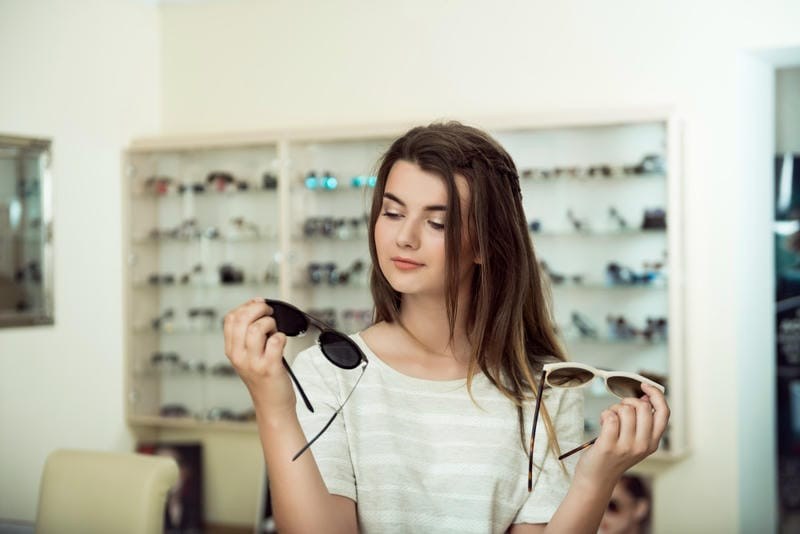
Wear protective eyewear or sunglasses to shield eyes from cold wind and dust.
Reduce Screen Strain
Follow the 20-20-20 rule to reduce digital eye strain.
Maintain Indoor Humidity
Using a humidifier helps prevent excessive dryness caused by heating systems.
Use Lubricating Eye Drops
Preservative-free artificial tears relieve dryness and irritation.
Practice Good Eye Hygiene
Avoid touching or rubbing eyes, especially with unclean hands.
Nutrition and Eye Health in Winter
A balanced diet rich in:
omega-3 fatty acids
vitamin A
antioxidants
supports tear production and eye surface health.
Importance of Regular Eye Examinations
Winter discomfort may reveal underlying eye conditions.
Regular eye checkups help:
detect dry eye syndrome
adjust vision prescriptions
identify early eye disease
Annual eye exams are especially important for working professionals and older adults.
When to Seek Medical Advice
Consult an eye care professional if experiencing:
persistent dryness
RECENT POSTS







 Eye Glasses
 Sun Glasses
 Home Eye-Test
 Store Locator
 Kids Glasses