


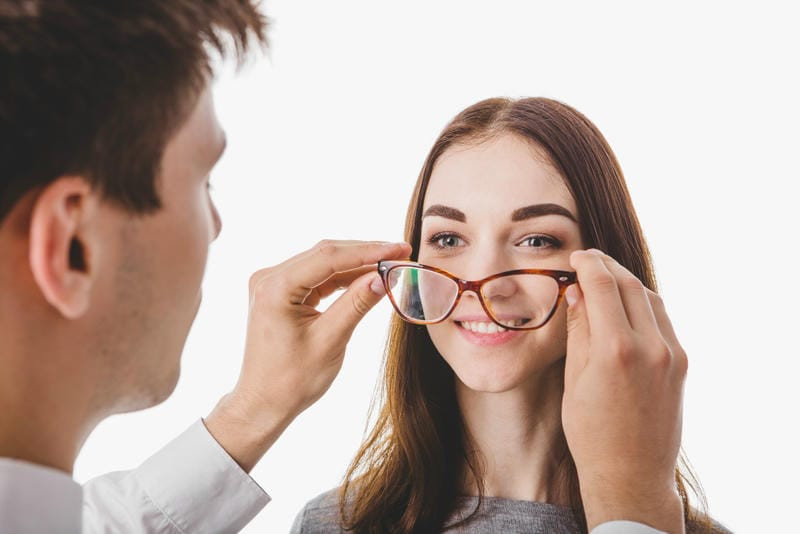
How Often Should Lenses Be Changed: A Practical Guide for Clear and Healthy Vision
Many people continue using the same spectacle lenses for years as long as they can “see well enough.” However, clear vision is not the only indicator of healthy eyesight. Lens condition, coating quality and subtle prescription changes all influence comfort, focus and long-term eye health. Understanding how often lenses should be changed helps prevent eye strain and ensures consistent visual performance.
In India, where screen exposure and lifestyle demands are increasing, regular lens updates have become more important than ever.
Why Lenses Do Not Last Forever
Spectacle lenses are exposed daily to:
dust and pollution
repeated cleaning
sweat and oils
screen glare
Over time, these factors reduce lens quality even if frames remain intact.
General Recommendation for Lens Replacement
Most eye care professionals recommend:
replacing lenses every 1–2 years
earlier replacement if symptoms appear
This timeline applies even when prescription changes are minimal.
How Vision Changes Over Time
Eyes naturally adapt and change due to:
aging
increased screen time
stress and fatigue
health conditions like diabetes
Small prescription changes may not be immediately noticeable but still cause strain.
Signs Your Lenses Need to Be Changed
Frequent Headaches or Eye Strain
Outdated lenses force eyes to work harder, leading to fatigue.
Blurred or Distorted Vision
Even mild blurring reduces reading comfort and focus.
Increased Glare and Reflections
Worn-out anti-glare coatings cause:
light scattering
night driving discomfort
screen glare
Scratches on Lenses
Scratches:
reduce clarity
cause visual distortion
increase eye strain
Even minor scratches affect comfort.
Difficulty with Screens
If screen work feels tiring, lenses may no longer suit your visual needs.
Lens Type and Replacement Frequency
Single Vision Lenses
Usually need review every 1–2 years depending on usage.
Progressive Lenses
Require more frequent updates due to:
age-related changes
precision requirements
Even small mismatches affect comfort.
Blue Light and Office Lenses
Coatings degrade over time, reducing effectiveness against digital eye strain.
Impact of Old Lenses on Eye Health
While old lenses may not permanently damage eyes, they can cause:
chronic eye strain
headaches
poor posture due to leaning forward
reduced productivity
Comfortable vision supports overall wellbeing.
Children and Lens Replacement
Children’s vision changes faster than adults.
Lens updates may be needed:
every 6–12 months
with growth and learning demands
Regular eye exams are essential for academic performance.
Effect of Lifestyle on Lens Longevity
Factors that reduce lens lifespan include:
long screen hours
outdoor pollution exposure
improper cleaning methods
Professional-grade lenses with durable coatings last longer.
Importance of Regular Eye Tests
Eye tests help:
detect subtle vision changes
assess lens suitability
update prescription accurately
Most professionals recommend eye exams every 12 months.
Can Frames Be Reused?
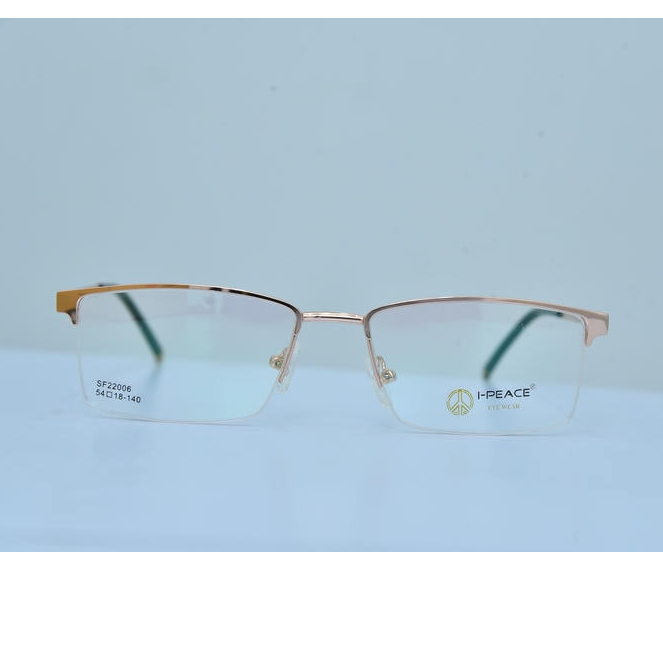
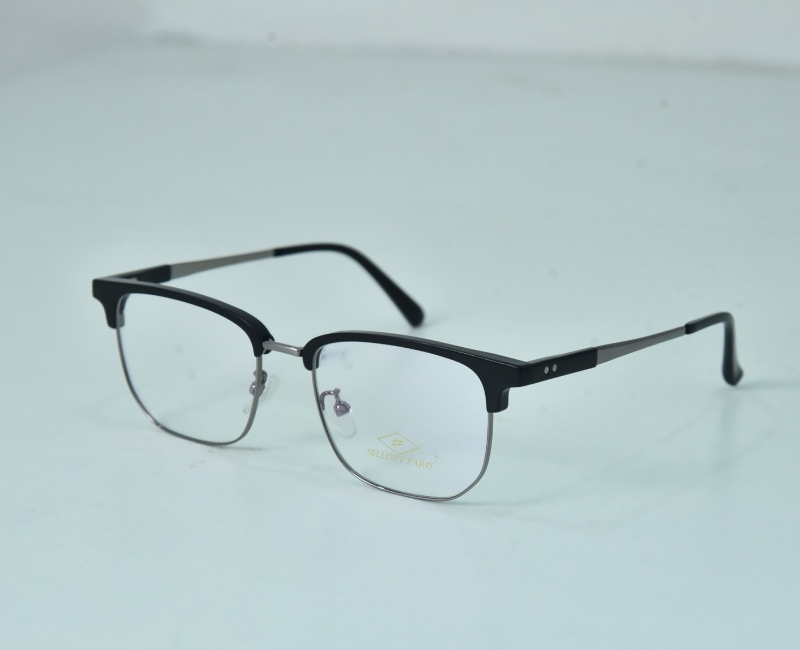
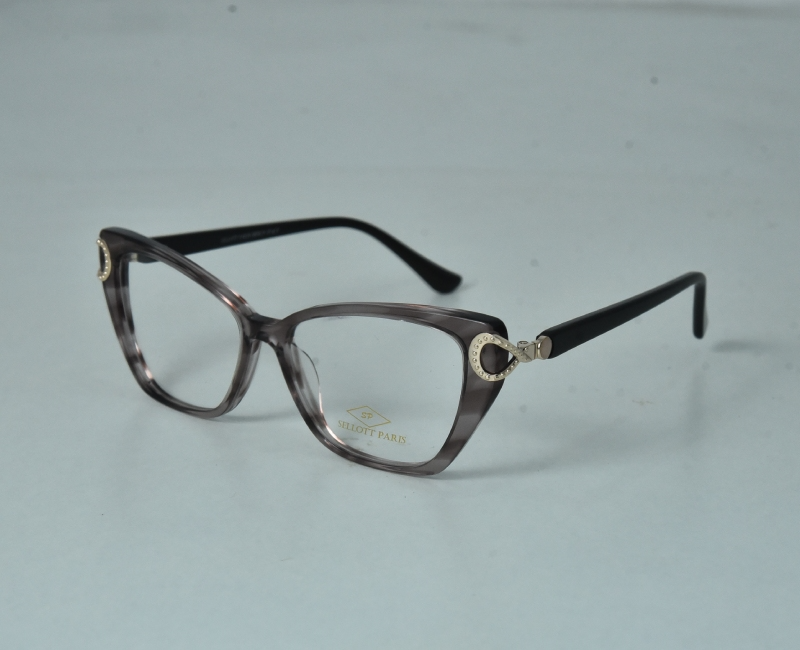
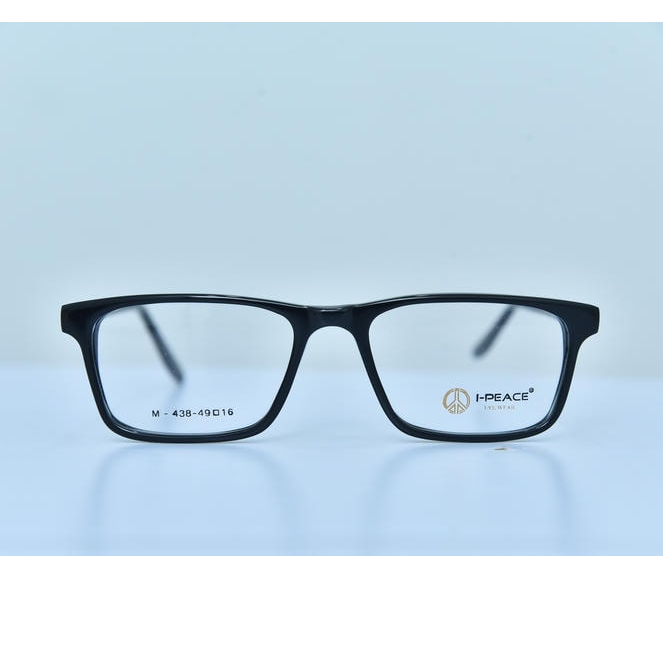
Yes. If frames are in good condition, new lenses can often be fitted.
This:
reduces cost
maintains comfort
updates vision quality
Professional fitting ensures accuracy.
When Immediate Lens Replacement Is Needed
Change lenses immediately if:
vision suddenly worsens
headaches become frequent
night vision deteriorates
lenses are heavily scratched
Delaying replacement increases discomfort.
Preventive Eye Care and Productivity
Clear, strain-free vision improves:
focus
posture
work efficiency
Preventive lens updates support long-term eye health.
How to Maximise Lens Life
Simple habits include:
using microfiber cloths
avoiding harsh cleaners
storing glasses properly
removing glasses with both hands
Care extends lens performance but does not replace timely updates.
Expert Guidance Makes the Difference
Professional opticians assess:
prescription accuracy
lens wear
coating condition
lifestyle needs
Personalised recommendations ensure optimal comfort.







 Eye Glasses
 Sun Glasses
 Home Eye-Test
 Store Locator
 Kids Glasses