



How to Know Correct Lens Power: A Complete Guide to Accurate Vision
Clear vision depends on accurate lens power. Wearing incorrect prescription glasses can lead to headaches, eye strain and blurred vision. Understanding how to know correct lens power is essential for maintaining visual clarity and overall eye health.
In India, digital screen usage has significantly increased in recent years. According to vision care trends reported by industry sources and healthcare authorities, prolonged screen exposure has contributed to rising cases of myopia and eye strain. Regular eye testing and correct lens prescription are therefore more important than ever.
Why Correct Lens Power Matters
The right lens power ensures:
sharp vision
reduced eye fatigue
improved productivity
prevention of unnecessary strain
Incorrect power may not damage the eyes permanently, but it causes discomfort and affects daily performance.
How Eye Power Is Measured
1. Preliminary Assessment
The optometrist checks:
visual acuity
reading ability
distance clarity
This determines whether corrective lenses are required.
2. Autorefractor Test
An autorefractor machine measures how light changes as it enters the eye.
This provides an initial estimate of lens power.
3. Retinoscopy
The practitioner shines light into the eye and observes reflection to refine measurements.
4. Subjective Refraction Test
Using a trial frame and multiple lens options, the optometrist asks:
“Which is clearer, option one or two?”
This fine-tunes the final prescription.
Understanding Your Eye Prescription
An eye prescription typically includes:
SPH (Sphere)
Indicates nearsightedness (minus power) or farsightedness (plus power).
CYL (Cylinder)
Corrects astigmatism, which causes distorted vision.
Axis
Specifies orientation of astigmatism correction.
ADD
Additional power for reading in bifocal or progressive lenses.
Signs You May Need a Power Check
frequent headaches
squinting while reading
blurred distance vision
difficulty seeing at night
eye fatigue during screen use
These symptoms indicate possible prescription change.
Frequency of Eye Checkups
For adults:
once every year is recommended
For children:
more frequent checks may be necessary
Regular testing ensures timely correction.
Can Lens Power Change Over Time?
Yes. Factors influencing changes include:
ageing
prolonged screen time
underlying health conditions
diabetes
Routine testing detects changes early.
Importance of Professional Testing
Online or home tests cannot replace comprehensive clinical examination.
Professional eye exams ensure:
accurate power measurement
detection of underlying eye conditions
assessment of eye health
Accuracy prevents long-term discomfort.
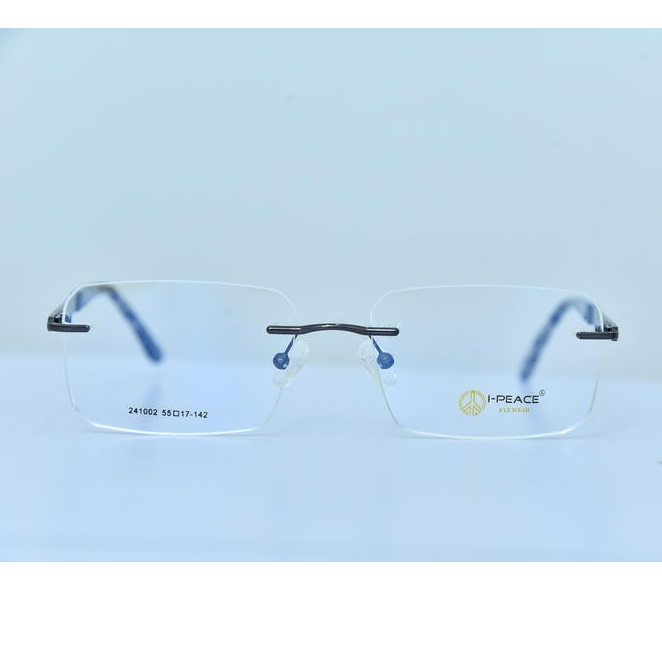
High-Power Lenses and Frame Selection
Individuals with higher prescriptions should choose:
lightweight frames
durable materials
thinner lens options
Proper fitting enhances comfort and aesthetics.
Digital Eye Strain and Lens Power
Extended screen use causes:
blurred vision
dryness
temporary focusing issues
While not always requiring prescription change, persistent symptoms warrant professional evaluation.
Special Considerations for Children
Myopia progression is increasing among children due to screen exposure.
Regular pediatric eye examinations are essential.
Reading Prescription Correctly
A sample prescription:
SPH: -2.00
CYL: -0.50
Axis: 180
This indicates mild myopia with slight astigmatism.
Understanding these numbers helps avoid errors when ordering lenses.
When to Replace Lenses
Replace lenses if:
vision remains blurry
prescription changes
lenses become scratched
Clear lenses improve clarity and comfort.
Common Mistakes to Avoid
using someone else’s prescription
ordering glasses without updated test









 Eye Glasses
 Sun Glasses
 Home Eye-Test
 Store Locator
 Kids Glasses