



26
Feb 2026
Protective Sunglasses for Bright Sunlight: Why UV Protection Matters
Bright sunlight can be refreshing and energizing, but excessive exposure to ultraviolet (UV) radiation can harm your eyes. In a country like India, where sunlight intensity remains high throughout the year, protecting your eyes becomes especially important.
Protective sunglasses for bright sunlight are more than a fashion accessory — they are essential tools for maintaining long-term eye health.
Why Is Bright Sunlight Harmful to Eyes?
Sunlight contains ultraviolet rays that can damage eye structures over time.
Excess UV exposure may increase the risk of:
Cataracts
Macular degeneration
Photokeratitis (sunburn of the eye)
Pterygium (growth on eye surface)
Even short-term exposure can cause discomfort and temporary vision issues.
What Makes Sunglasses Protective?
Not all sunglasses offer adequate protection.
Look for the following features:
1. UV400 Protection
UV400 lenses block 100% of harmful UVA and UVB rays.
This level of protection prevents radiation from reaching the retina.
2. Polarized Lenses
Polarized sunglasses reduce glare caused by light reflecting off:
Water
Roads
Sand
Snow
They improve clarity and reduce eye strain, especially while driving or engaging in outdoor sports.
3. Wraparound Frames
Wraparound styles offer side protection against sunlight and wind.
They are ideal for:
Cyclists
Athletes
Outdoor workers
4. High-Quality Lens Material
Polycarbonate lenses are lightweight and impact-resistant, offering both protection and comfort.
Benefits of Protective Sunglasses
Reduced Eye Strain
Bright light forces eyes to squint, leading to headaches and fatigue.
Sunglasses provide visual comfort.
Prevention of Long-Term Damage
Consistent UV protection lowers risk of age-related eye diseases.
Improved Visual Clarity
Reduced glare enhances contrast and visibility.
Better Outdoor Performance
Clear vision improves safety during activities like driving and sports.
Who Needs Protective Sunglasses?
Protective sunglasses are essential for:
Drivers
Outdoor workers
Athletes
Beachgoers
Children
Elderly individuals
Children are particularly vulnerable because their eyes absorb more UV radiation.
Choosing the Right Lens Color
Different lens tints serve different purposes:
Gray: Reduces brightness without color distortion
Brown: Enhances contrast
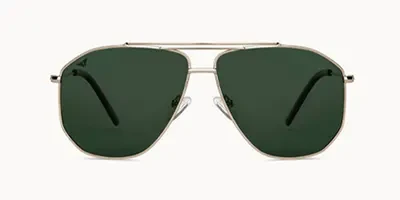
Green: Reduces glare while maintaining clarity
Yellow: Improves visibility in low light
Select based on your activity and lighting conditions.
Common Myths About Sunglasses
Myth: Darker lenses mean better protection
Fact: UV protection depends on coating, not lens darkness.
Myth: Sunglasses are needed only in summer
Fact: UV rays are present year-round, even on cloudy days.
Myth: Cheap sunglasses are sufficient
Fact: Low-quality lenses without UV protection may worsen eye strain.
Eye Protection in the Indian Context
India’s tropical climate exposes individuals to strong UV radiation for extended periods.
Heatwaves and increasing outdoor exposure heighten the importance of preventive eye care.
Regular eye examinations combined with protective eyewear reduce long-term vision risks.
When to Consult an Eye Specialist
Seek professional evaluation if you experience:
Persistent eye redness
Blurred vision
Increased light sensitivity
Frequent headaches in sunlight
An ophthalmologist can recommend suitable protective eyewear.
Tips for Maintaining Sunglasses
Clean with microfiber cloth
Store in protective case
Avoid placing lenses face-down
Replace scratched lenses






 Eye Glasses
 Sun Glasses
 Home Eye-Test
 Store Locator
 Kids Glasses