

When Should You Get Your Eyes Tested A Complete Age-Wise and Risk-Based Guide
Many people assume that eye tests are only necessary when vision becomes blurry or uncomfortable. In reality, waiting for symptoms can allow eye problems to progress silently. Understanding when should you get your eyes tested is essential for protecting vision, preventing eye disease and maintaining overall health.
In India, increasing screen exposure, lifestyle changes and rising chronic conditions like diabetes have made regular eye examinations more important than ever.
Why Regular Eye Testing Is Important
Eye tests are not just about checking vision power.
They help:
detect refractive errors early
identify eye diseases before symptoms appear
monitor eye health changes over time
According to the World Health Organization, over 80 percent of vision impairment cases are preventable or treatable with early detection.
Eye Diseases Often Have No Early Symptoms
Several serious eye conditions progress silently, including:
glaucoma
diabetic retinopathy
macular degeneration
By the time symptoms appear, vision loss may already be permanent. Regular eye tests are the only way to catch these conditions early.
When Should Children Get Their Eyes Tested?
Infants and Toddlers
Basic eye screening is recommended during early childhood to detect:
congenital eye issues
alignment problems
lazy eye
Early detection supports normal visual development.
School-Age Children
Children should have an eye test:
before starting school
every one to two years thereafter
Undiagnosed vision problems can affect learning, reading and attention.
When Should Adults Get Their Eyes Tested?
Adults Aged 18–40
Healthy adults should undergo an eye test:
every two years
earlier if symptoms develop
This age group often ignores subtle strain caused by screens.
Adults Aged 40 and Above
After 40, the risk of eye disease increases.
Eye tests are recommended:
every year
to detect presbyopia, glaucoma and retinal changes
ICMR data shows a sharp rise in age-related vision problems after 40.
When Should Seniors Get Their Eyes Tested?
Adults over 60 should have:
annual eye examinations
This helps detect:
cataracts
macular degeneration
glaucoma
Early care preserves independence and quality of life.
Eye Testing for People with Special Risk Factors
Diabetics
Diabetes can damage retinal blood vessels.
Eye tests are required:
at least once a year
even if vision seems normal
NFHS-5 highlights diabetic eye disease as a growing concern in India.
People with Family History of Eye Disease
Conditions like glaucoma have genetic links.
Regular screening helps:
early detection
prevention of vision loss
Heavy Screen Users
People working long hours on computers or phones should have:
eye tests every year
Digital eye strain can worsen uncorrected vision problems.
Warning Signs That Require Immediate Eye Testing
Do not delay an eye test if you experience:
sudden blurred vision
eye pain or redness
frequent headaches
difficulty seeing at night
double vision
These symptoms may indicate serious eye or neurological conditions.
How Lifestyle Affects Eye Test Frequency
Modern lifestyle factors increase eye health risks:
prolonged screen exposure
poor sleep
air pollution
nutritional deficiencies
Regular testing helps track and manage these effects early.
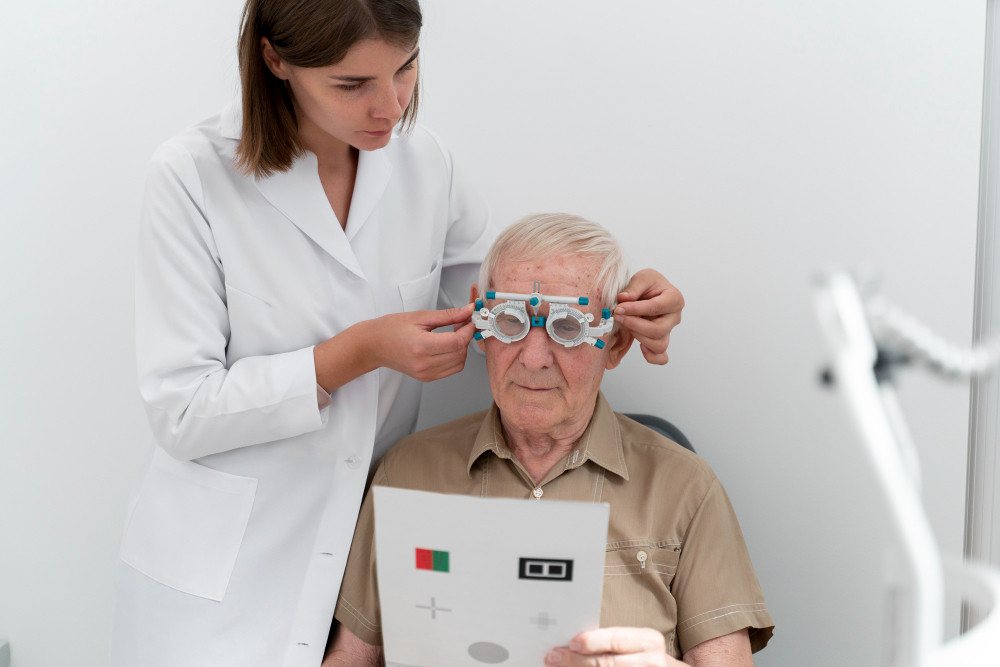
What Happens During an Eye Test?
A comprehensive eye examination includes:
vision clarity testing
refraction for spectacles
eye pressure measurement
retinal examination
These tests assess both vision and overall eye health.
Eye Tests and Overall Health Detection
Eye examinations can also reveal signs of:
diabetes
hypertension










 Eye Glasses
 Sun Glasses
 Home Eye-Test
 Store Locator
 Kids Glasses